



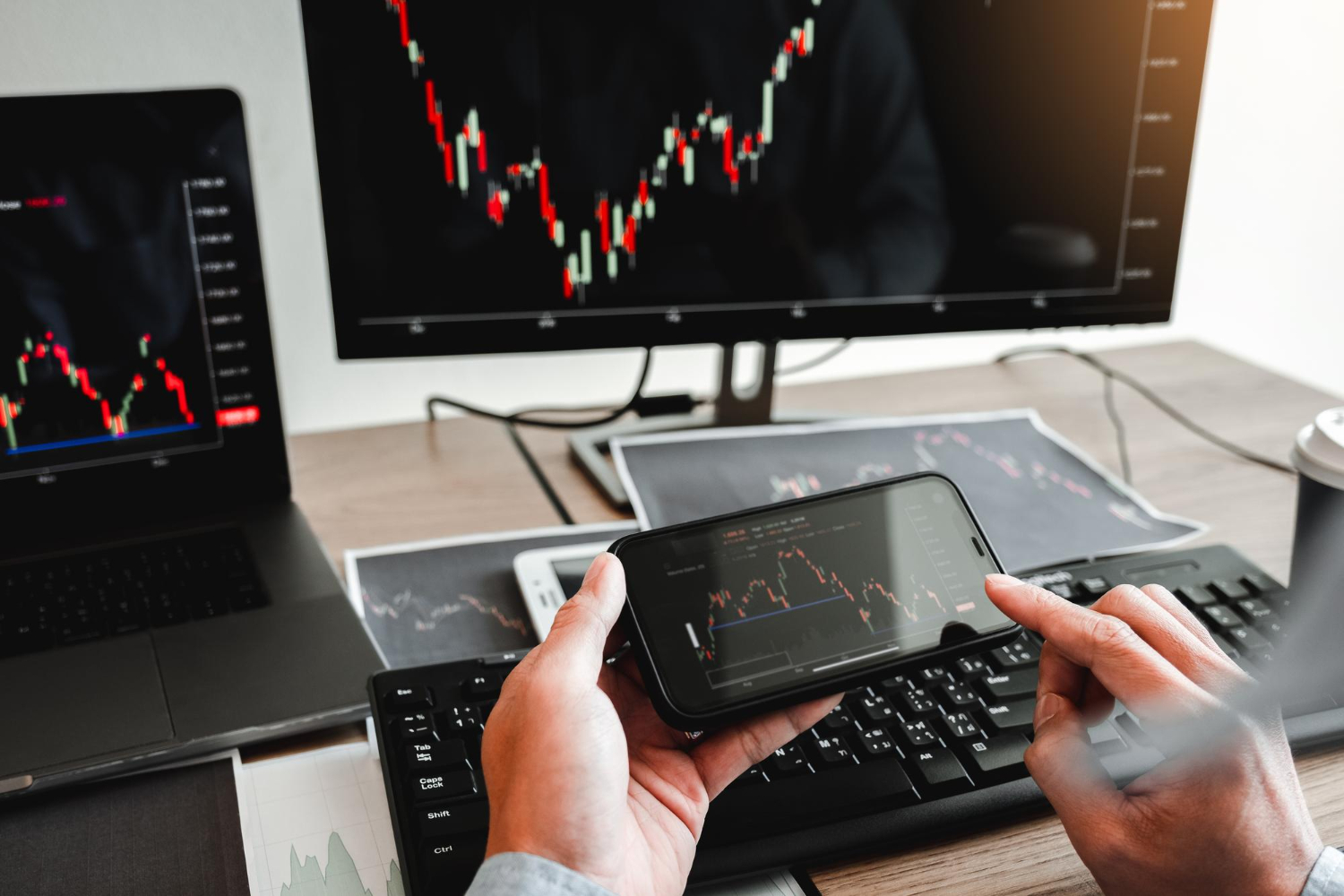
Imagine transforming your peso savings into lasting wealth through the global Forex market, accessible right from the Philippines. With disciplined trading, Filipinos can harness currency fluctuations for long-term gains amid economic volatility.
This guide covers essentials like regulatory compliance, broker selection, risk-managed strategies, local funding, taxes, and portfolio diversification.
Understanding Forex Trading Basics
Forex trading involves exchanging currencies like USD/PHP (currently 58.20) where pips represent the smallest price move (0.0001 for most pairs). It operates as a 24/5 global market with massive daily turnover. Philippine traders often focus on pairs tied to the local economy.
The Forex market runs continuously from Monday to Friday across major sessions. Key pairs for PH traders include USD/PHP, EUR/PHP, and others like GBP/PHP or AUD/PHP. These reflect peso volatility influenced by remittances and BSP policies.
A pip on USD/PHP equals about 0.58 per standard lot, helping calculate profits. Lot sizes range from micro (1K units), mini (10K), to standard (100K). Leverage like 1:500 lets traders control large positions with small capital, but margin requirements sit around 0.2%.
BSP data highlights peso volatility with notable annual ranges, key for risk management. Start with a demo account to practice these basics before live trading. This builds a foundation for long-term wealth in the Philippines.
Key Concepts and Terminology
Master 12 essential terms: ‘Pip’ (USD/PHP move from 58.20 to 58.21 = 10 pips), ‘Lot’ (1 standard lot = $100K), ‘Leverage’ (1:100 controls $100K with $1K), ‘Spread’ (broker example: 0.1 pip EUR/USD), ‘Swap’ (overnight PHP/JPY carry +2.5 pips daily). These form the core of currency trading. Understanding them aids PH traders in navigating BSP-regulated markets.
Key formulas include Pip Value = (0.0001 / Exchange Rate) x Position Size and Margin = (Lots x Contract Size x Price) / Leverage. For USD/PHP at 58.20, a micro lot pip value helps small accounts. Practice on MT4 or MT5 platforms with Philippine brokers.
| Term | Definition | PH Example |
| Pip | Smallest price change, usually 0.0001 | USD/PHP from 58.2000 to 58.2010 = 1 pip |
| Lot | Trade size: micro=1K, mini=10K, standard=100K units | 1 micro lot USD/PHP risks 58 per pip |
| Leverage | Borrowed capital ratio like 1:500 | Control 2.9M with 5,800 margin |
| Spread | Buy-sell price difference | 0.2 pips on EUR/PHP via local broker |
| Swap | Overnight fee based on interest rates | +2.5 pips holding PHP/JPY long |
| Margin | Deposit to open position | 0.2% for 1:500 on standard lot |
| Long/Short | Buy low/sell high or vice versa | Long USD/PHP on peso weakness |
| Stop Loss | Auto-close to limit loss | Set 20 pips below entry on GBP/PHP |
| Take Profit | Auto-close for gain | Target 50 pips on AUD/PHP trade |
| Bid/Ask | Sell/buy prices | Bid 58.19, Ask 58.21 on USD/PHP |
| Equity | Account value with open trades | 100K balance minus unrealized loss |
| Margin Call | Warning when equity nears limit | Occurs below 100% margin level |
Candlestick patterns offer quick signals for technical analysis. A Doji shows indecision with open and close near equal. Hammer at support signals reversal after downtrend.
Bullish Engulfing has a small red candle followed by a larger green one. Use these on TradingView charts for USD/PHP during Asian sessions. Combine with RSI(14) where readings above 70 indicate overbought conditions.
Philippine Regulatory Environment
The Bangko Sentral ng Pilipinas (BSP) oversees Forex flows while SEC regulates investment solicitation under Republic Act 8799. BSP Circular 969 prohibits retail Forex margin trading by local banks but allows international brokers. This setup lets Philippine traders access global Forex market options safely.
SEC Republic Act 11640 targets unauthorized platforms that solicit investments without approval. In 2023, BSP imposed 5M fines against illegal operators to protect users from scams. Only three brokers hold BSP trust licenses, compared to over 40 international choices.
For long-term wealth building through trading Forex in the Philippines, stick to regulated paths. Use pairs like USD/PHP or EUR/PHP on compliant platforms to avoid peso volatility risks from OFW remittances or typhoon impacts. BSP and SEC rules ensure client protections like fund segregation.
Traders should monitor BSP regulation updates via official channels. This environment supports financial independence by encouraging disciplined trading with tools like MetaTrader 4 and risk management practices. Offshore brokers often provide higher leverage for position trading strategies.
Licensed Brokers and SEC Rules
SEC-licensed options include Tokenize (BSP-regulated) and EMQ Global; verify via SEC advisories list, which noted 15 blacklisted brokers in 2023. These platforms comply with SEC Philippines standards for Forex brokers in the Philippines. They offer access to major pairs amid local economic factors like inflation.
Compare broker types to choose wisely for wealth building. BSP Trust License brokers like Tokenize require 50K minimum and limit leverage to 1:30. SEC registered ones like EMQ include crypto pairs for diversification.
| Broker Type | Example | Min Deposit | Leverage | Key Features |
| BSP Trust License | Tokenize | 50K | 1:30 | Local regulation, low risk |
| SEC Registered | EMQ | Varies | Standard | Crypto pairs, compliance |
| Offshore CySEC | XM | 5K | 1:888 | High leverage, MT5 platform |
SEC Rule 11640 imposes 1M-5M fines for violations, stressing the need for verification. Follow this checklist to confirm legitimacy before funding via GCash or bank transfer.
- Check license on BSP e-Services portal.
- Request proof of client fund segregation.
- Review SEC advisories for blacklisted names.
- Test with a demo account on MetaTrader 4.
Choosing the Right Forex Broker
Compare XM broker with 0.1 pip spreads and 1:888 leverage against IC Markets offering ECN execution and 0.0 pips RAW spreads for PH traders. Philippine traders prioritize brokers supporting GCash deposits, low spreads on USD/PHP pairs under 1 pip, and 24/7 support in English or Tagalog. Trustpilot ratings like XM’s 4.1 from 120K reviews highlight reliability.
Favor ASIC or CySEC regulation over BSP, which mainly covers remittances, not full Forex trading oversight. Local options face SEC Philippines limits on leverage, while international brokers provide access to MetaTrader 4 and MT5 platforms for technical analysis like moving averages and RSI indicators. Test brokers with demo accounts to check slippage on EUR/PHP or GBP/PHP.
Look for low withdrawal fees and fast processing via UnionBank or Maya wallet alongside GCash. Regulated brokers ensure fund segregation, vital for long-term wealth building amid peso volatility from OFW remittances. Practice risk management with stop loss on high-leverage trades to preserve capital.
PH traders benefit from mobile trading apps for Asian session hours, aligning with BPO schedules. Combine broker choice with Forex education from YouTube tutorials or Manila seminars for sustainable profits in currency trading.
Local vs International Options
International brokers dominate: XM with 5K minimum deposit, GCash and UnionBank funding, plus 1:888 leverage on PHP pairs, outperforms local Tokenize requiring 50K and capped at 1:30 under BSP license. Filipinos seek options fitting remittance economy and peso volatility. Experts recommend international picks for better spreads on USD/PHP and access to copy trading.
PH trader preferences lean toward globals for high leverage and low costs in swing trading or carry trades involving JPY/PHP. Local brokers offer BSP comfort but limit position sizing. Use economic calendars for Bangko Sentral ng Pilipinas announcements affecting pairs.
Key factors include deposit methods like credit card or GCash, plus withdrawal speed to avoid fees. International firms provide PAMM accounts for passive income toward financial independence. Always verify NFA compliance for offshore brokers.
| Broker | Regulation | Min Deposit | Spreads USD/PHP | Leverage | GCash Deposit | Withdrawal Fee |
| XM | CySEC | 5K | 0.3 pips | 1:888 | Yes | 0% |
| IC Markets | ASIC | 20K | 0.0 pips | 1:500 | Yes | 0% |
| FBS | CySEC | 5K | 0.5 pips | 1:3000 | Yes | 1% |
| HotForex | CySEC | 10K | 0.6 pips | 1:1000 | Yes | 0% |
| Tokenize | BSP | 50K | 1.0 pips | 1:30 | No | 2% |
| EMQ | BSP | 30K | 1.2 pips | 1:30 | No | 1.5% |
| Exness | CySEC | 5K | 0.3 pips | 1:2000 | Yes | 0% |
| Pepperstone | ASIC | 20K | 0.2 pips | 1:500 | Yes | 0% |
Essential Trading Tools and Platforms
MetaTrader 5 (MT5) powers a large share of retail trading in the Philippines with 38 analytical tools compared to MetaTrader 4’s 30 indicators. This MT5 platform suits Forex traders building long-term wealth through pairs like USD/PHP and EUR/PHP. Its advanced features support technical analysis for sustained profits.
MT5 excels in algo trading via the MQL5 marketplace with thousands of expert advisors (EAs). Traders in the Philippines can automate strategies for Philippine peso volatility driven by remittances and BSP policies. Pair it with a demo account to test risk management before live trading.
For Philippine setups, combine MT5 with a TradingView Gold plan at around $49.95 for six months. This duo enhances charting and idea sharing in local Forex communities. Focus on position trading for compounding returns toward financial independence.
| Tool Name | Price | Key Features | Best For | Pros/Cons |
| MetaTrader 4 | Free | 30 indicators, basic charting, hedging support | Beginners in day trading | Pros: Simple interface, wide broker support. Cons: Limited tools vs MT5. |
| MetaTrader 5 | Free | 80+ indicators, hedging, MQL5 marketplace for EAs | Algo trading and multi-asset | Pros: Advanced automation, depth of market. Cons: Steeper learning curve. |
| TradingView | Free basic / $14.95 Pro | 100+ indicators, social trading, community ideas | Charting and idea sharing | Pros: Intuitive charts, USD/PHP scripts. Cons: Limited execution. |
| cTrader | Free | Level II pricing, cBots for automation, clean UI | ECN brokers and scalping | Pros: Fast execution, customizable. Cons: Fewer brokers offer it. |
| xStation 5 | Free | Advanced charts, sentiment tools, one-click trading | Mobile traders in PH | Pros: User-friendly app, low spreads. Cons: Broker-specific. |
MT5 stands out for algorithmic trading with its vast MQL5 marketplace and thousands of EAs tailored for Forex market pairs like GBP/PHP. In contrast, TradingView shines in charting with its community sharing USD/PHP ideas amid peso volatility. Philippine traders benefit from this combo for swing trading and long-term wealth building.
Developing a Long-Term Trading Strategy
Build wealth with PHP carry trades (JPY/PHP +2.8% annual swap) combined with trend following (21/50 EMA crossover). Long-term strategies in the Forex market suit Filipinos seeking financial independence through consistent gains. They outperform short-term approaches by focusing on currency trading like USD/PHP and JPY/PHP.
In the Philippines, target USD/PHP range trading between 55.00 and 62.00, leveraging peso volatility from OFW remittances and BPO growth. Pair this with JPY/PHP carry trades, borrowing low-rate yen against higher BSP rates for steady income. The Marcos administration eyes a BSP target of 58+-4, guiding your position trading setup.
Use technical analysis tools on MT5 platforms from regulated brokers in the Philippines. Spot support resistance levels and confirm with RSI indicator or MACD for entries. Combine with fundamental analysis like BSP policies and inflation data for stronger trading strategies.
Backtest on demo accounts before live trading. Journal trades to refine your long-term wealth plan, incorporating compounding returns. This approach builds sustainable profits amid peso swings from typhoon risks and elections.
Risk Management Principles
Risk 1% per trade: 100K account risks 1K maximum (20-pip SL on USD/PHP standard lot). Effective risk management preserves capital for wealth building in Forex trading. It ensures you survive drawdowns while pursuing high-reward setups like EUR/PHP swings.
Follow these numbered steps for disciplined execution:
- Position sizing formula: Risk Amount / (Stop Loss Pips x Pip Value).
- Set 1:2 risk/reward (20-pip SL, 40-pip TP).
- Max 5% daily drawdown rule.
- Correlation filter (avoid EUR/USD + GBP/USD simultaneously).
- Trailing stop (20-pips lock-in).
Calculate expectancy: (Win Rate x Avg Win) – (Loss Rate x Avg Loss). For a 500K account, 1% risk equals 5K, sizing to 0.25 standard lots on AUD/PHP. This keeps losses small during London or New York sessions.
Practice on demo accounts with Forex brokers Philippines offers, like those supporting GCash deposits. Maintain trading psychology through patience and discipline. Pair with stop loss and take profit for capital preservation toward retirement planning.
Funding Your Trading Account
Fund XM via GCash (100 min, instant, 0% fee) or UnionBank transfer (5K min, 1-2 days). Philippine traders often start with modest deposits to build long-term wealth through Forex trading. Local options align with BSP foreign exchange guidelines for secure funding.
Popular methods include GCash for quick access and bank wires for larger sums. These fit the Philippine peso environment, supporting pairs like USD/PHP and EUR/PHP. Brokers emphasize fast processing to encourage consistent trading.
Many platforms handle withdrawals promptly, aiding capital preservation. Use regulated brokers under SEC Philippines oversight for safety. Start small to practice risk management before scaling positions.
Combine funding with demo accounts to test strategies like swing trading. This approach supports compounding returns toward financial independence. Track peso volatility from OFW remittances when planning deposits.
Local Banking and Payment Methods
GCash XM: Scan QR (100-100K, <5min); UnionBank Online FBS (5K+, free, T+1). These local payment methods make Forex trading accessible in the Philippines. They support building long-term wealth without high barriers.
Choose based on speed and fees for your trading strategy, such as day trading or position trading. GCash suits frequent small deposits, while bank transfers work for larger amounts tied to economic indicators like BSP rates.
| Method | Speed | Min Deposit | Fee | Brokers Supporting | Limits |
| GCash | Instant | 100 | 0% | XM, FBS, HotForex | 500K daily |
| Maya | Instant | 100 | 0% | XM, FBS | 200K daily |
| UnionBank | 1-2 days | 5K | Free | FBS, IC Markets | No upper limit |
| BPI | 1-3 days | 10K | 50-200 | HotForex, XM | 1M monthly |
| Metrobank | 1-2 days | 5K | Free-Low | FBS, Exness | 500K daily |
| Credit Card | Instant | 1K | 1-3% | XM, HotForex | 300K per transaction |
Follow these steps for GCash deposit to XM: Open the XM app, select deposit, choose GCash, scan the QR code, enter an amount from 100 to 100K, confirm payment in the GCash app. Funds appear in under 5 minutes for immediate trading on the MT5 platform. Verify account first per BSP guidelines.
For withdrawals, Exness leads with reliable processing, outperforming others in speed. Prioritize brokers with low withdrawal fees to maximize compounding returns. Always use stop loss orders alongside funding to manage drawdowns in volatile pairs like GBP/PHP.
Tax Implications in the Philippines
Forex profits are taxable as other income at 0-35% BIR rates for brackets from 250K to 8M in 2024. Traders must report gains accurately to avoid penalties. Understanding these rules supports long-term wealth building through compliant currency trading.
Trading gains require filing BIR Form 1701, with a 15% final tax on gross remittances under BSP RR 11-2018. For example, a 1M profit might face higher taxes in the 25% bracket after deductions. Keep detailed records of all transactions for smooth audits.
Quarterly ITR deadlines fall on May 15, August 15, November 15, and March 15. Missing them can lead to fines, so set calendar reminders. BIR Revenue Memorandum Circular 37-2021 provides key guidance on Forex reporting.
- Use BSP Form 1 for offshore broker reporting to track remittances.
- Claim deductible expenses like platform fees and education costs with receipts.
- Consult a tax advisor for complex setups involving USD/PHP or EUR/PHP trades.
Proper tax planning preserves capital for risk management and compounding returns. Focus on capital preservation while navigating BIR regulations. This approach aids financial independence for Filipino traders.
Building and Diversifying Your Portfolio
Allocate 40% Forex (USD/PHP), 30% PSEi ETF (FMETF 100/share), 20% T-bills (4.5% yield), and 10% gold (XAU/PHP) in a 1M Philippine portfolio. This setup balances currency trading growth potential with stable assets. It supports long-term wealth amid peso volatility.
Forex takes 40% as the core for active management, targeting 15% returns through pairs like EUR/PHP or GBP/PHP. PSEi at 30% tracks the local stock market for equity exposure. T-bills and gold provide safety against inflation in the Philippines.
| Asset | Allocation | Target/Notes |
| Forex (USD/PHP) | 40% | 15% target, active trading |
| PSEi ETF | 30% | 12% historical, FMETF |
| T-bills | 20% | 4.5% yield, low risk |
| Gold (XAU/PHP) | 10% | 8% hedge, diversification |
Rebalance quarterly to maintain targets, selling winners and buying underperformers. LTN Group shows PSEi at 9.2% CAGR over 10 years, aiding realistic expectations. The Maharlika Fund context, with its 0.5% GDP allocation, highlights national efforts in sovereign wealth for stability.
A correlation matrix reveals USD/PHP at -0.3 with PSEi, meaning Forex often moves opposite stocks. This negative link boosts portfolio diversification. Use it to cut overall risk in your wealth building plan.
Why This Allocation Fits Philippine Investors
Philippine investors face peso volatility from OFW remittances and BPO growth. 40% Forex lets you profit from USD/PHP swings tied to BSP policies. Pair it with PSEi for local economic upside.
T-bills offer steady yields amid interest rate changes by Bangko Sentral ng Pilipinas. Gold hedges against geopolitical risks and typhoon impacts. This mix promotes financial independence.
Experts recommend such asset allocation for emerging markets like the Philippines. Track remittance economy and tourism sector news. Adjust for election cycles under Marcos administration.
Quarterly Rebalancing Rules
Review your portfolio every quarter on fixed dates like the end of March. Calculate drifts from targets, say if Forex hits 45%. Sell excess and redistribute to underweight assets.
Use a simple checklist: check balances, compute gains, execute trades via regulated brokers. This enforces discipline in trading psychology. Avoid emotional decisions during drawdowns.
- Log current vs target percentages.
- Trade only during Asian or London sessions.
- Confirm with the economic calendar for low volatility.
- Update your trading journal post-rebalance.
Rebalancing captures compounding returns while managing risk. It aligns with position trading for long-term holds in the Forex market.
Understanding Correlations for Better Diversification
USD/PHP shows -0.3 correlation with PSEi, ideal for smoothing returns. When stocks dip on local GDP data, Forex may rise on dollar strength. This offsets losses effectively.
Incorporate fundamental analysis like inflation Philippines or employment data. Gold correlates low with both, acting as true hedge. Monitor via MT5 platform tools.
For risk management, limit Forex exposure per trade with stop loss. This setup supports retirement planning through steady growth. Build toward financial freedom step by step.
Monitoring Performance and Adjusting
Track 60%+ win rate and 1:2+ risk-reward ratio for positive expectancy: (0.6x2R) – (0.4x1R) = 0.8R per trade. Regular monitoring helps Forex traders in the Philippines build long-term wealth through consistent adjustments. Use simple tools to log every trade and spot patterns early.
An Excel template with columns for Date, Pair, Entry/Exit, P/L Pips, R Multiplier keeps records organized. Philippine traders dealing in USD/PHP or EUR/PHP can review weekly using a checklist: aim for solid win rate, profit factor above key thresholds, and max drawdown under control. This practice supports risk management amid peso volatility.
Run backtests on the MT5 Strategy Tester at 99% modeling quality for accuracy. Steps include selecting your strategy, setting date ranges tied to Philippine economic data like BSP announcements, and analyzing results for tweaks. Forward testing on a demo account confirms improvements before live trading with regulated brokers.
Apply adjustment rules like halving position size after 3 consecutive losses to preserve capital. A case study of a PH trader’s journal shows optimization leading to steady monthly gains through disciplined reviews. This approach fosters financial independence in the Forex market.
Weekly Review Checklist
Conduct a weekly review to maintain trading discipline in currency trading. Check win rate, profit factor, and max drawdown against benchmarks to ensure positive expectancy. This routine helps Philippine traders navigate peso volatility from OFW remittances or typhoon risks.
Focus on trades involving GBP/PHP or AUD/PHP during Asian session overlaps. Note patterns in candlestick formations or RSI signals that worked best. Adjust strategies based on BSP interest rate moves or inflation data.
Document emotional notes on trading psychology, like patience during drawdowns. Use the checklist to calculate overall expectancy and refine position sizing. Consistent reviews build compounding returns over time.
MT5 Backtesting Steps
Start backtesting on the MT5 platform by loading historical data for pairs like JPY/PHP. Set modeling quality to 99% for reliable tick data simulation. Test strategies like trend following with moving averages against past GDP growth periods.
Input parameters for stop loss, take profit, and lot sizes matching your risk rules. Run the tester, then review equity curves for drawdown issues. Optimize for Philippine market hours, avoiding weekend gaps.
Compare backtest results to forward tests on demo accounts from Forex brokers Philippines. Tweak based on slippage or news events like FOMC meetings. This process ensures strategies suit live leverage trading conditions.
Adjustment Rules and Case Study
Follow clear rules: after 3 consecutive losses, halve position size to protect capital. Scale back up only after recovering wins, tying into drawdown management. This preserves funds for long-term wealth in volatile Forex markets.
Monitor R-multiplier trends in your journal for pairs like USD/PHP amid Bangko Sentral policies. Combine with fundamental analysis on employment data. Adjustments keep expectancy positive despite geopolitical risks.
A PH trader’s journal highlights optimization success, turning inconsistent trades into reliable gains through these rules. Started with scalping EUR/PHP, shifted to swing trading after reviews. Resulted in sustainable profits supporting retirement planning.
Frequently Asked Questions
What is Building Long-Term Wealth by Trading Forex in the Philippines?
Building Long-Term Wealth by Trading Forex in the Philippines involves using the foreign exchange market to strategically buy and sell currencies over extended periods, leveraging regulated brokers and local economic insights to grow capital steadily while minimizing risks through disciplined strategies.
How can Filipinos start Building Long-Term Wealth by Trading Forex in the Philippines?
To begin Building Long-Term Wealth by Trading Forex in the Philippines, open an account with a BSP-regulated broker like those licensed by the SEC, complete KYC verification, deposit funds via local banks or e-wallets, and educate yourself on fundamental analysis for sustained growth rather than short-term speculation.
What are the key strategies for Building Long-Term Wealth by Trading Forex in the Philippines?
Key strategies for Building Long-Term Wealth by Trading Forex in the Philippines include position trading based on macroeconomic trends, diversification across major currency pairs like USD/PHP, using low-leverage ratios, and reinvesting profits while adhering to risk management rules like the 1-2% rule per trade.
Is Forex trading legal for Building Long-Term Wealth by Trading Forex in the Philippines?
Yes, Forex trading is legal in the Philippines for Building Long-Term Wealth by Trading Forex in the Philippines, provided you use brokers authorized by the Bangko Sentral ng Pilipinas (BSP) or Securities and Exchange Commission (SEC), ensuring compliance with anti-money laundering laws and investor protection standards.
What risks should I consider in Building Long-Term Wealth by Trading Forex in the Philippines?
Risks in Building Long-Term Wealth by Trading Forex in the Philippines include market volatility from global events, peso fluctuations, leverage-induced losses, and scam brokers; mitigate them with education, demo accounts, stop-loss orders, and choosing SEC-regulated platforms for secure, long-term wealth accumulation.
How does Building Long-Term Wealth by Trading Forex in the Philippines differ from stock trading?
Building Long-Term Wealth by Trading Forex in the Philippines focuses on 24/5 global currency markets with high liquidity and no central exchange, unlike stock trading on the PSE which operates set hours; Forex offers more leverage but requires constant vigilance on international news for sustained wealth building.